25–27 November 2026 · Cinematheque of the Republic of North Macedonia
Programme
25 November
WednesdayOpening ceremony
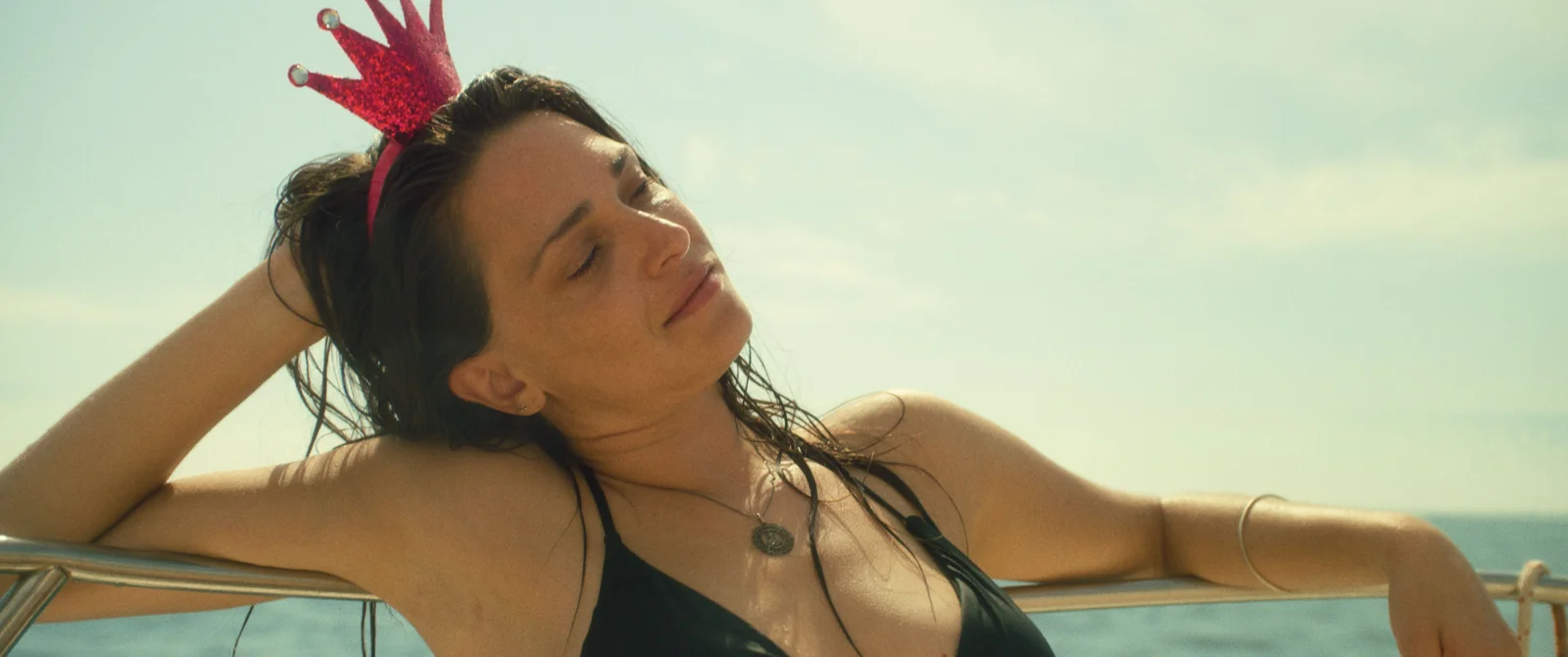
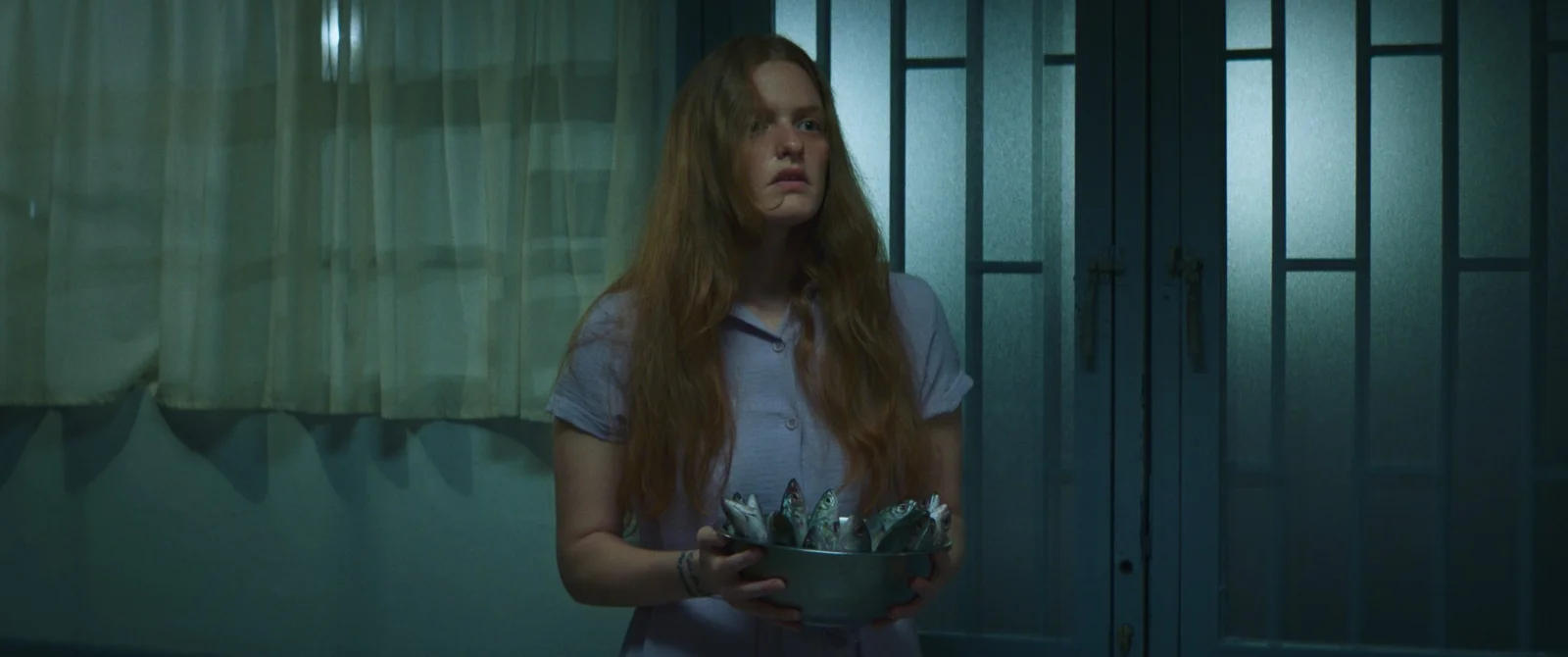
Titanic Ocean screening

26 November
Thursday· Panel discussion
Women, the Balkans and Film Art
Faculty of Dramatic Arts, Skopje
See more
Organized within the framework of the 5th Greek Film Festival in Skopje, dedicated this year to women directors in Greek cinema, the panel will explore the relationship between gender, identity and cinematic expression.
Bringing together filmmakers and academics from Greece and North Macedonia, the discussion will examine the perspectives of women working in cinema and the ways their films engage with social expectations, prejudices and representations of the Balkans. It will consider how filmmakers draw on their cultural backgrounds while developing individual artistic voices that challenge conventional narratives.
The discussion will connect the legacy of pioneering women directors with contemporary filmmaking, reflecting on questions of visibility, recognition and access to opportunities.
Participants
Betty Kaklamanidou
Betty Kaklamanidou is Professor in Film & TV History & Theory and Vice Chair of the School of Film, Aristotle University, Greece. A Fulbright scholar, she also chaired the Anglophone MA Program “Film & Television Studies” (2019-2024). She is currently heading the three-year Research Project titled “Plyta’s Unknown Cinema” (2025-2028), in the framework of H.F.R.I. Her monographs include, among others, Easy A: The End of the High-School Teen Comedy? (2018), The ‘Disguised’ Political Film in Contemporary Hollywood (2016), and Genre, Gender and the Effects of Neoliberalism (2013). Betty is also the editor of Maria Plyta. The First Female Director of Greek Cinema: 17 Films, 17 Readings (2025), New Approaches to Contemporary Adaptation (2020) and co-editor of several collections, such as Contemporary European Cinema (2018), Politics and Politicians in Contemporary U.S. Television (2016), and The 21st Century Superhero (2010). Betty’s articles have appeared in Television & New Media, Literature/Film Quarterly, Flow, Celebrity Studies, Filmicon, and The Journal of Popular Romance Studies. Her monograph on Maria Plyta is currently slated for publication in 2027 by Bloomsbury.
Konstantina Kotzamani
Konstantina Kotzamani is a Greek film director and screenwriter, born in Komotini, Greece. She studied Cinema at the Film Department of the School of Fine Arts at Aristotle University of Thessaloniki. She has participated in the Berlinale and Sarajevo Talent Campus programmes and is an Onassis Foundation scholarship recipient. Her short and medium-length films have been selected for major international film festivals, including Cannes, Berlinale, Venice and Locarno, receiving numerous awards. Her films Washingtonia and Limbo received the Hellenic Film Academy Award for Best Short Film, and both were nominated for the European Film Award for Best Short Film. Limbo was also eligible for the 2017 Academy Awards short-film consideration. Electric Swan premiered at the Venice International Film Festival and received the French Film Critics' Award for Best Short Film. In 2026, she presented her first feature film, Titanic Ocean, in the Un Certain Regard section of the 79th Festival de Cannes, marking an important milestone in her international filmmaking career.
Marija Apcevska
Marija Apcevska is a film director and screenwriter from North Macedonia. She holds a BA in Film and TV Directing from the Faculty of Dramatic Arts in Skopje, an MA in Film and Media Production from the New York Film Academy in Los Angeles, and a PhD in Audiovisual Arts from the Faculty of Dramatic Arts in Skopje. She is an alumna of Sarajevo Talents, Berlinale Talents and the Locarno Filmmakers Academy. Her short films have screened internationally and received numerous awards. Bardo premiered at Berlinale Generation, while North Pole was selected for the Official Short Film Competition at the Cannes Film Festival, becoming the first film from North Macedonia ever included in its Official Selection. She is also one of the creators and directors of Zoki Poki, a popular children's television series, broadcast internationally. Her debut feature, Spring Cleaning, was developed through LIM | Less is More, Jerusalem Film Lab and presented at Cannes Focus CoPro as well as Cinemed's From Short to Long program, where it received the Moulin d'Andé residency award. The project was also selected for LaFabrique Cinéma de l'Institut français. A co-production between North Macedonia, Greece, Slovenia and Serbia, the film is supported by Eurimages, the national film funds of all four countries and Creative Europe MEDIA during development. It is currently in post-production.
Ana Opacic
Ana Opacich was born in 1990 in Trogir, Croatia. She graduated in Film and Video from the Arts Academy in Split and earned a master’s degree in Film and Television Directing from the University of Audiovisual Arts ESRA in Skopje (Europa Prima). Since 2014, she has worked as an Assistant Professor at the International University of Audiovisual Arts Europa Prima in Skopje, teaching Screenwriting and the Dramaturgy of Stage Space. She has made eight professional short films and approximately twenty student short films, alongside several exhibitions and performances in new media art. Since 2018, she has served as Founder and Director of the BEACH FILM FESTIVAL, a festival of new European cinema.
Kosara Mitić
Kosara Mitić is a film director and screenwriter from Skopje, North Macedonia. She graduated in film and television directing from the Faculty of Dramatic Arts in Skopje in 2013 and is an alumna of Berlinale Talents. Her short films include Drop by Sometime (2013), Birthday (2015) and The Red Room (2016). Her debut feature, 17, had its world premiere in the Perspectives section of the 2026 Berlinale and won the Special Award for Promoting Gender Equality at the 2026 Sarajevo Film Festival. The film follows a teenage girl in the aftermath of a sexual assault and explores institutional neglect and solidarity between young women
Evening programme begins